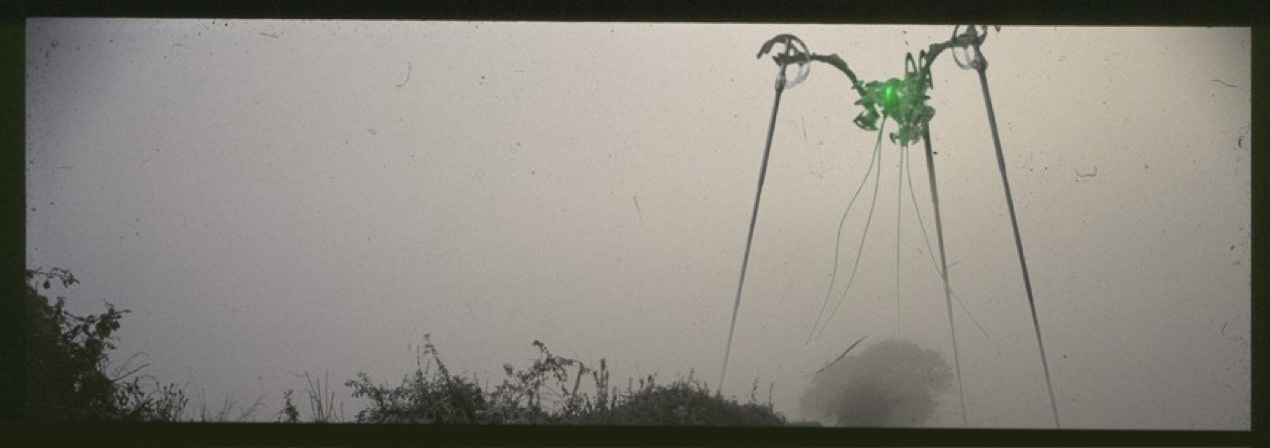
War of the Worlds Fighting Machine Concept
This page is a history of things I've worked on in my previous career or as side projects. Keep coming back, it changes often.
Museums
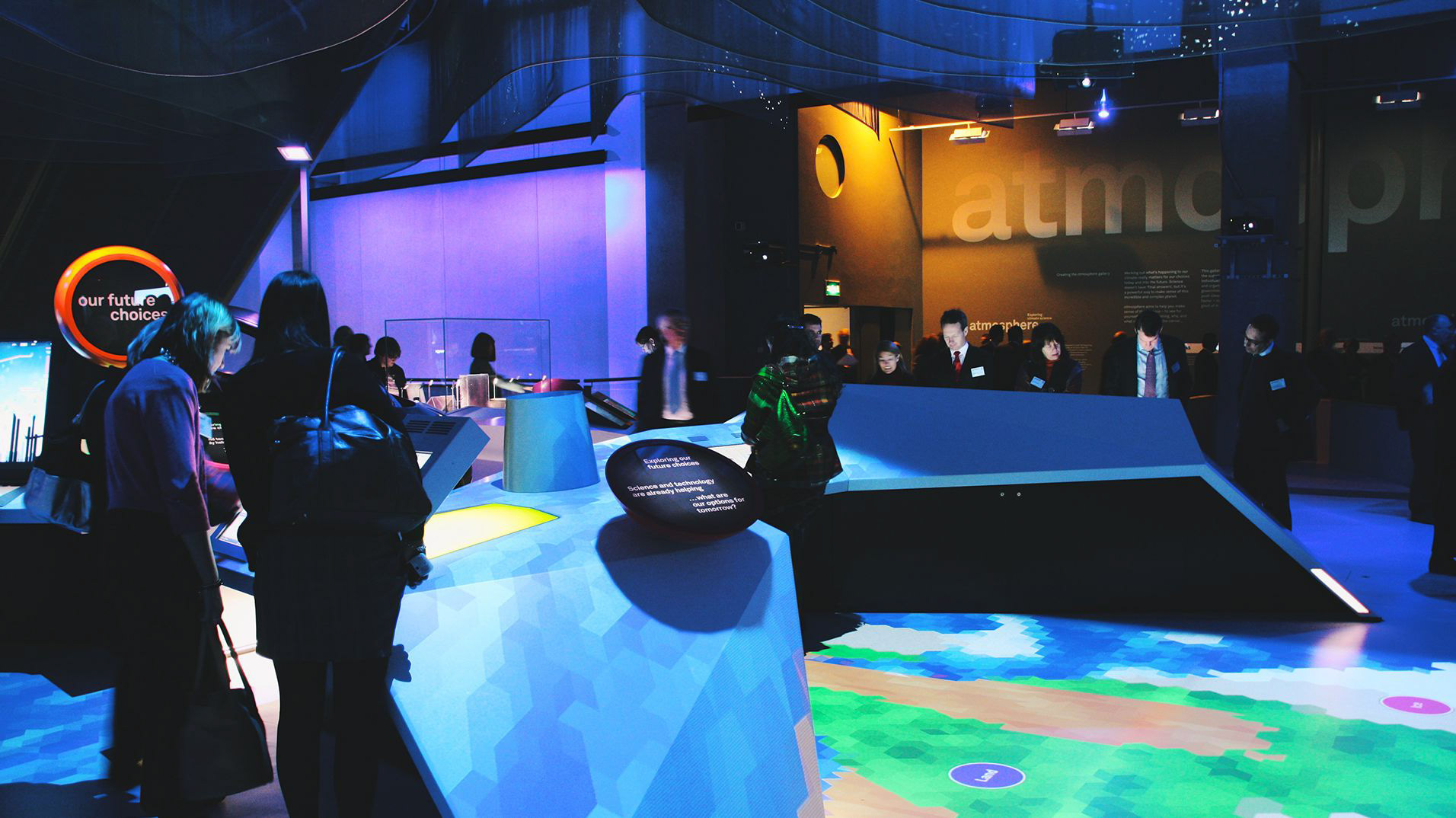
The Atmosphere Gallery, Science Museum, London
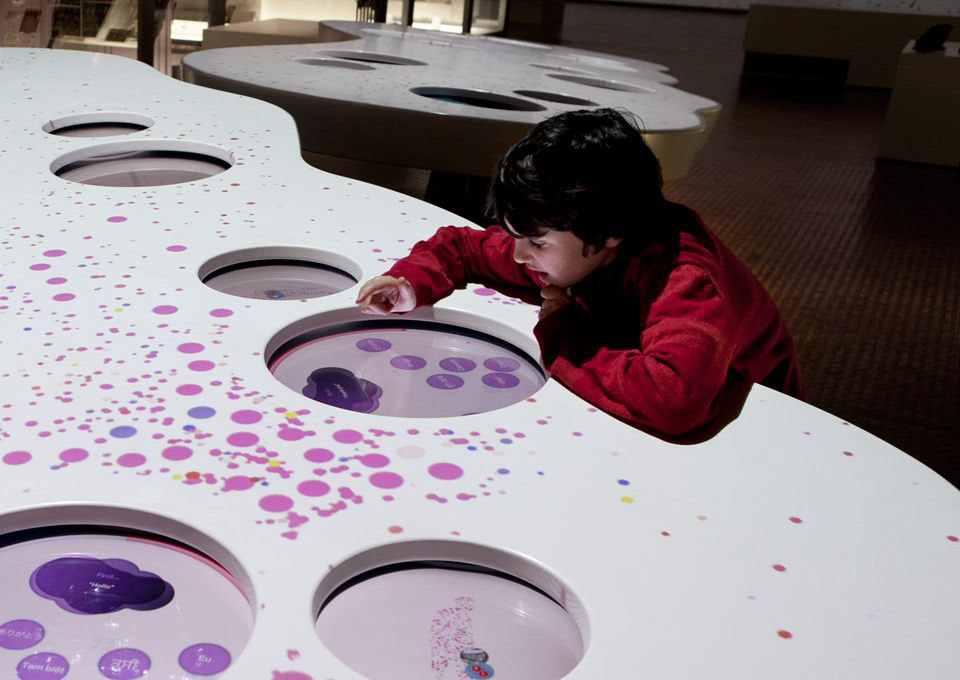
Who Am I Gallery, Science Museum, London
I worked at the Science Museum for almost three years. In this time I specked, procured, configured, and installed the digital gallery systems for Watt's Workshop, Who Am I, Atmosphere, Prove It!, Antenna, and Worm Wall.
I also developed and launched the automated gallery maintenance systems, which were Mac-based monitoring and repair tools that constantly checked the health of the gallery, rebooted systems, and where needed rebuilt systems over the network without gallery teams needing to be involved.
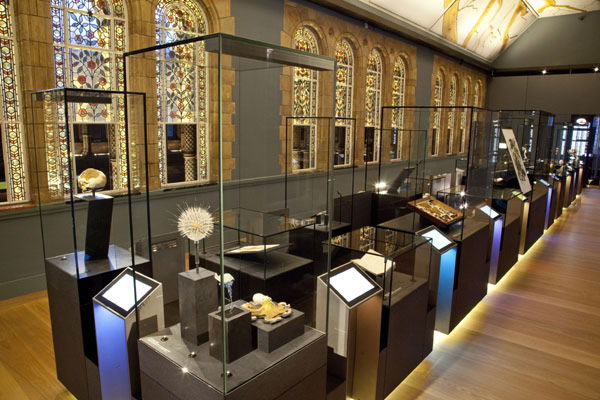
Treasures Gallery, Natural History Museum, London
I also worked at the Natural History Museum as a software developer. I built the systems that make Treasures, Volcanoes, the Darwin Wing, and the Wildlife Photographer of the Year galleries work. I also wrote the digital customer engagement strategy, and moved the development teams away from Flash to HTML and Javascript, but also where needed to a C# set of tools.
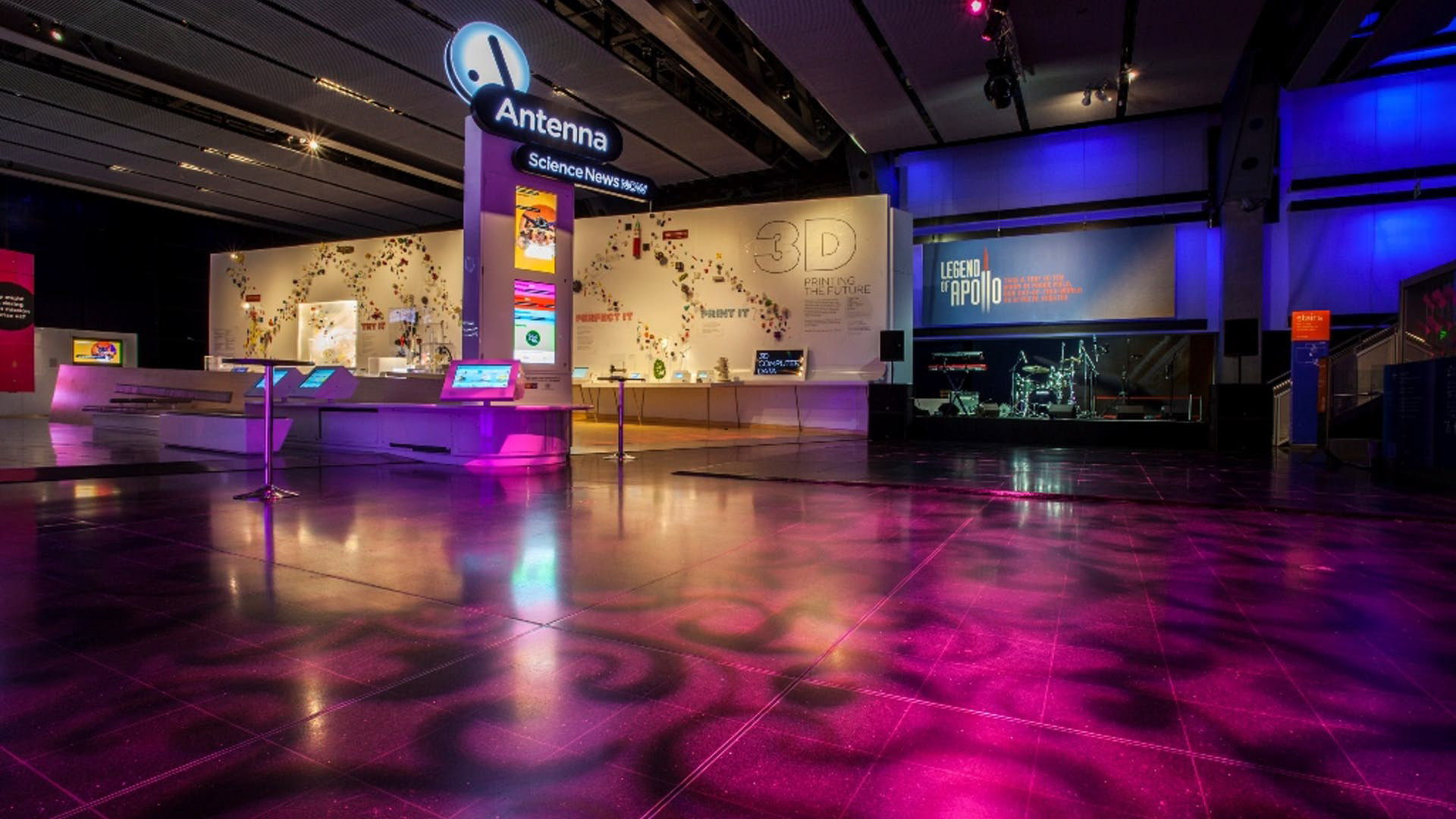
The Antenna Gallery, Science Museum, London
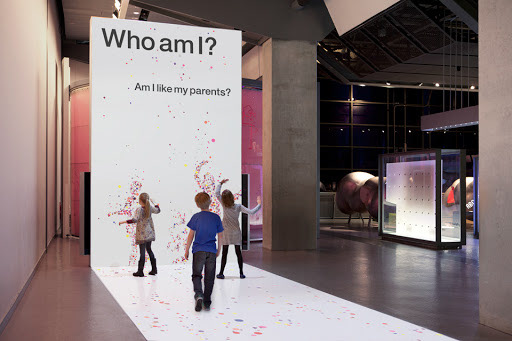
Who Am I, Science Museum, London
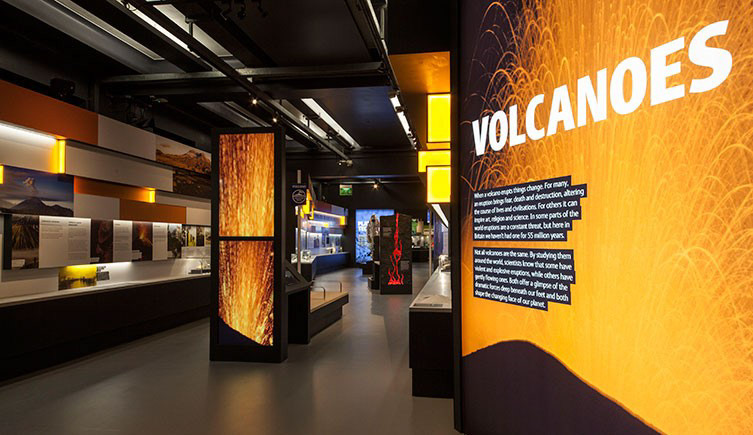
Volcanoes Gallery, Natural History Museum, London
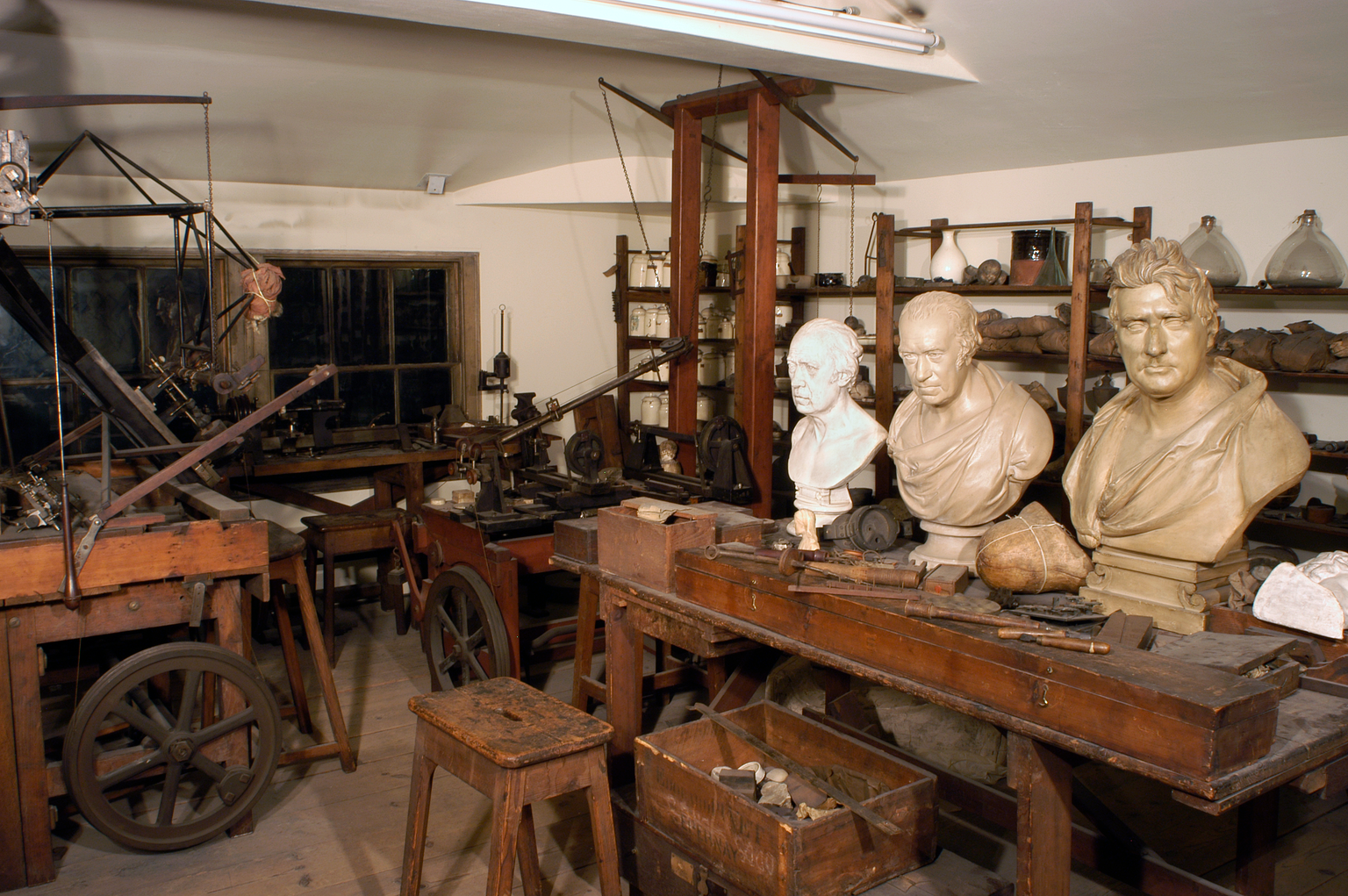
Watt's Workshop, Science Museum, London
Mother
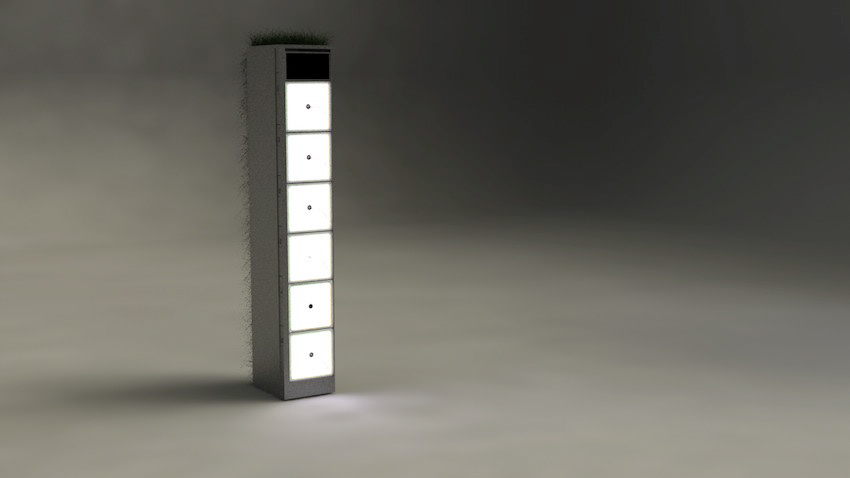
Mother - your friendly robotic garden companion.
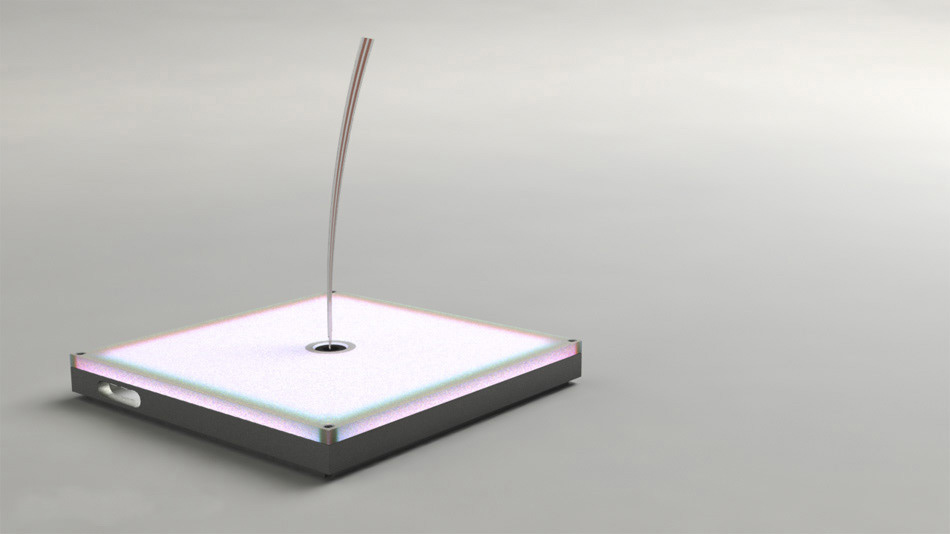
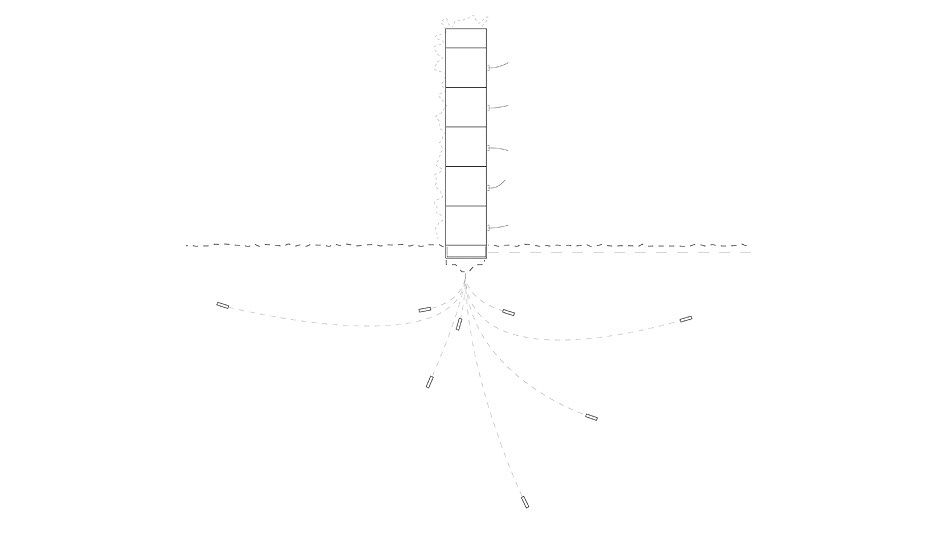
Mother was a collaboration with Leon Barker, a research student who was studying computer vision. He came to me with an idea for a robotic gardener which could oversee a plot of land and communicate feeding and watering requirements to the land manager.
In conversations with Kew Gardens it became obvious that computer vision alone wouldn't be able to offer what we needed, as you cannot "see" soil or atmospheric conditions. And so we developed a new route, which was to build a stack of sensors into a metal monolith. Sponsored by Kew Gardens
Microsoft
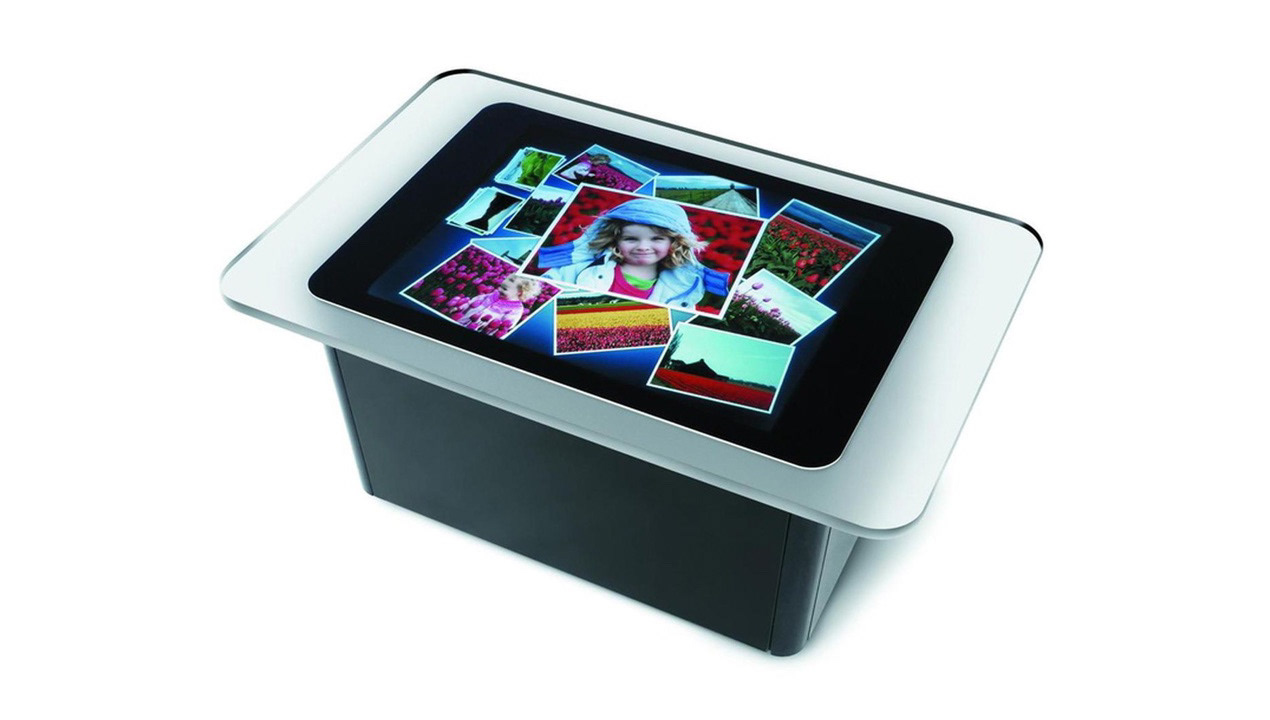
I worked at Microsoft Research as a Human Computer Interface designer, on the original Surface table (known as the Big Arse Table). This was before iPhone and iPad. The table was an experiment to see if people would be comfortable using multi touch screens. I worked in a team in Cambridge that used the technology to identify the age and gender of the user, and to adapt the interface depending upon those factors. The main purpose of the work proved pointless, but the spin off capabilities were interesting. For instance, the touch input model on modern Surface tablets is a direct port of the interaction model made for the table. We also used the computer vision systems we developed in other tools, focussing on security and tracking people through physical spaces.
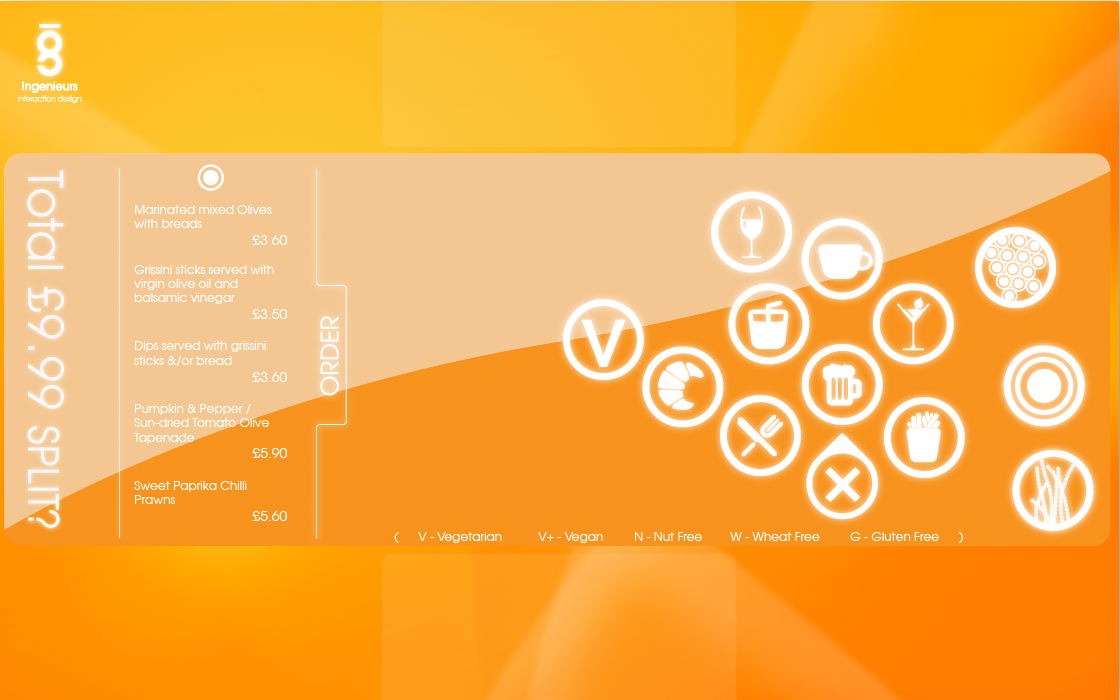
FlickOS, a precursor to your iPhone
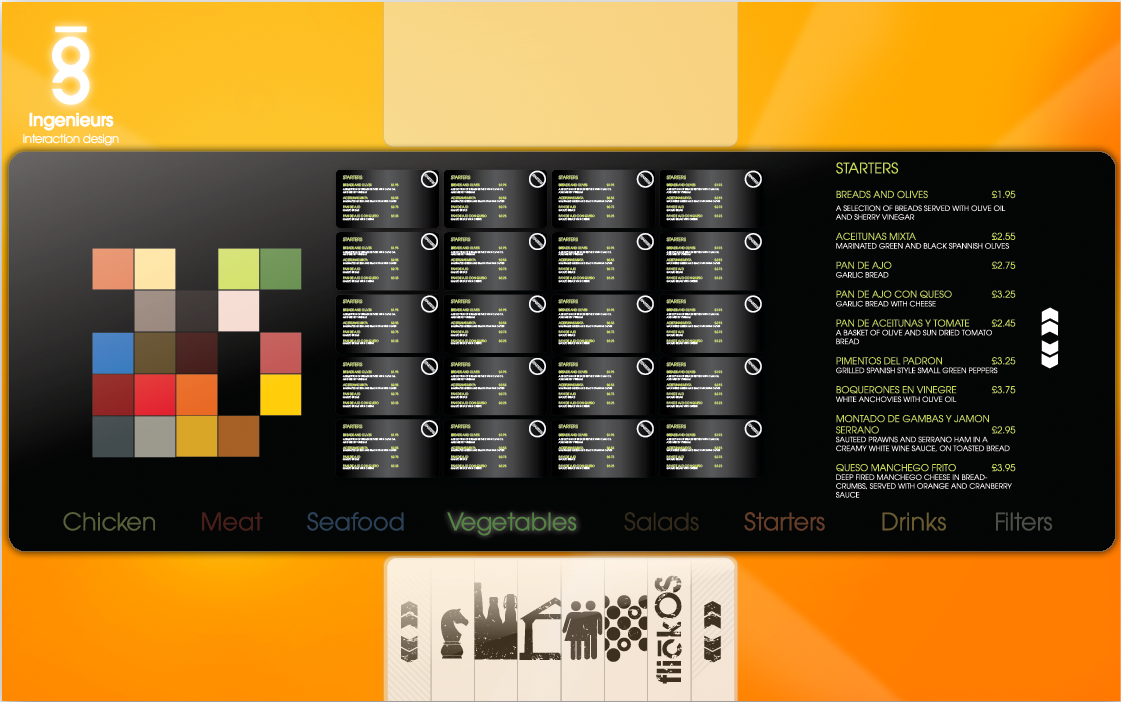
FlickOS menu system as tested in Sheraton
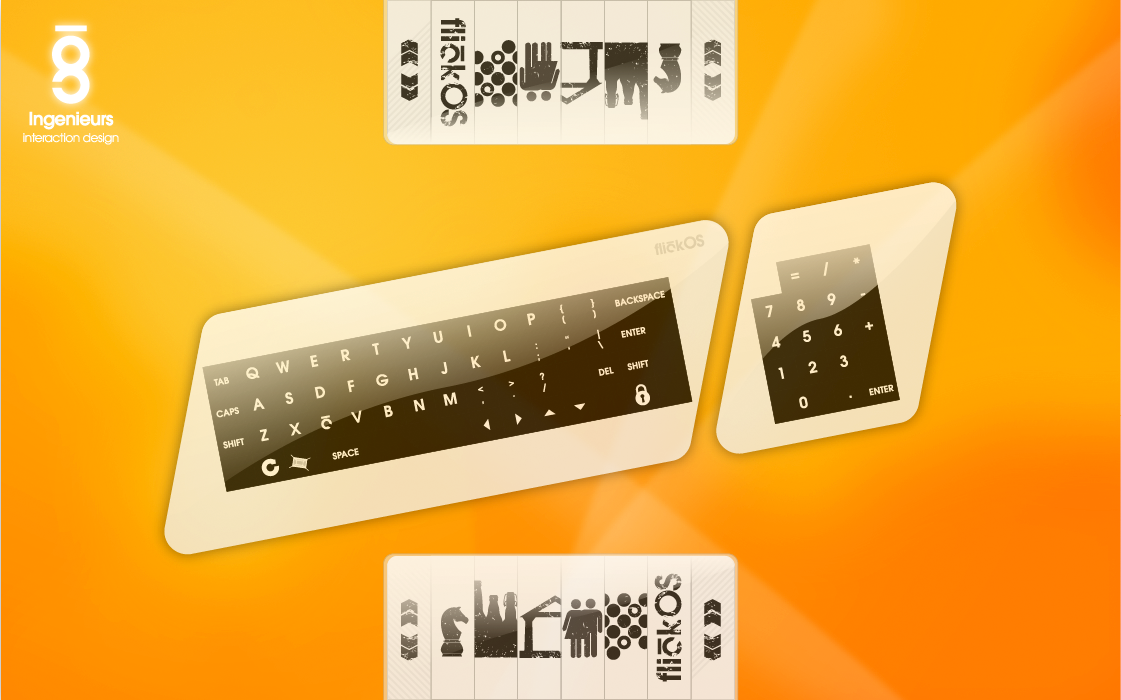
The orange interface you can see here was a side project to modify Windows into a multiple simultaneous users operating system. The screens show the 16:9 standard interface, but we also built interface for round tables. Having multiple users at the same time around a table removes the fixed reference points of "up" and "down", and made for interesting research. However the work was scrapped when the iPhone was released as Microsoft made a pivot towards smaller devices.
Visual Effects
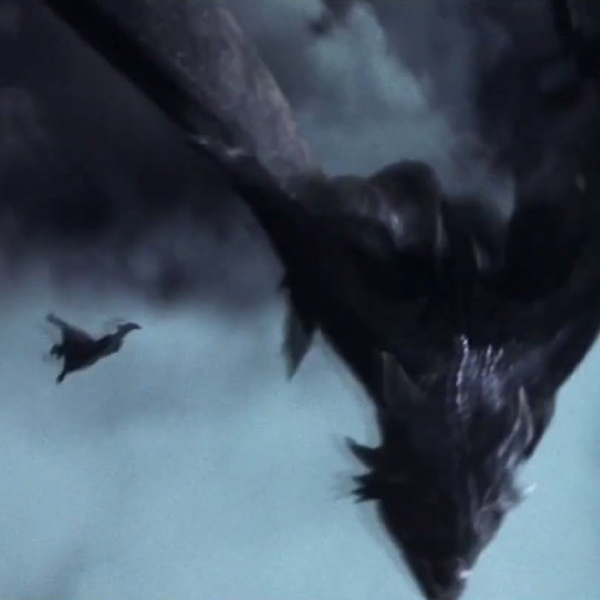
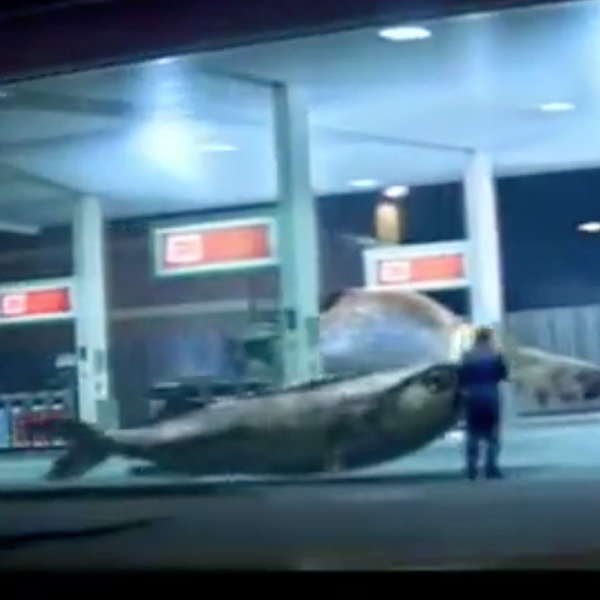
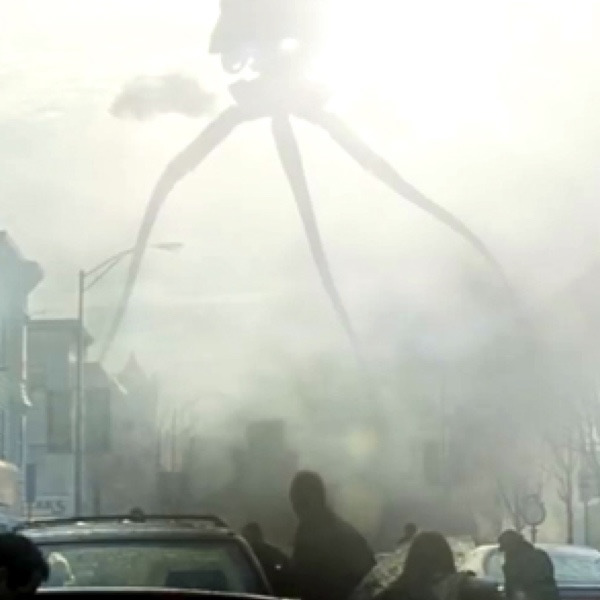
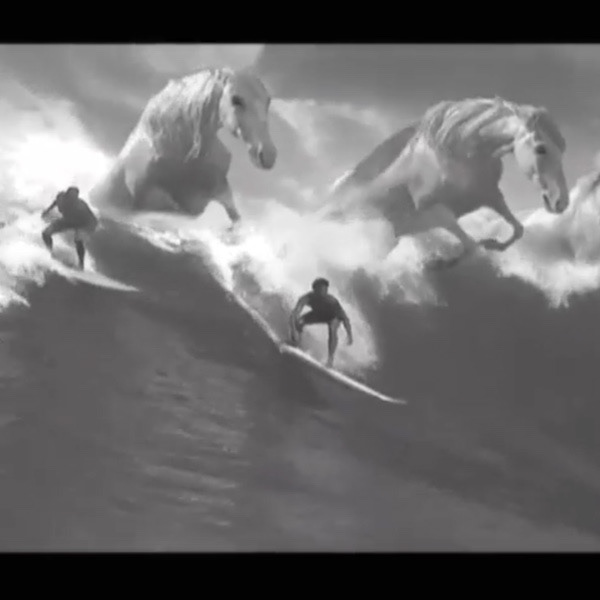
My first career was in visual effects. Working at Framestore, The Mill, Passion Pictures, and Pinewood on advertising and feature effects. Initially hired as a modeller I moved into technical direction, although modelling was my passion. As a developer and tool creator I worked on the famous Guinness Surfer advert, the Audi Fish advert, Reign of Fire, War of the Worlds, and the first three Harry Potter films.